DeFis Darkest Secret: Hacks Gut Institutional Dreams!
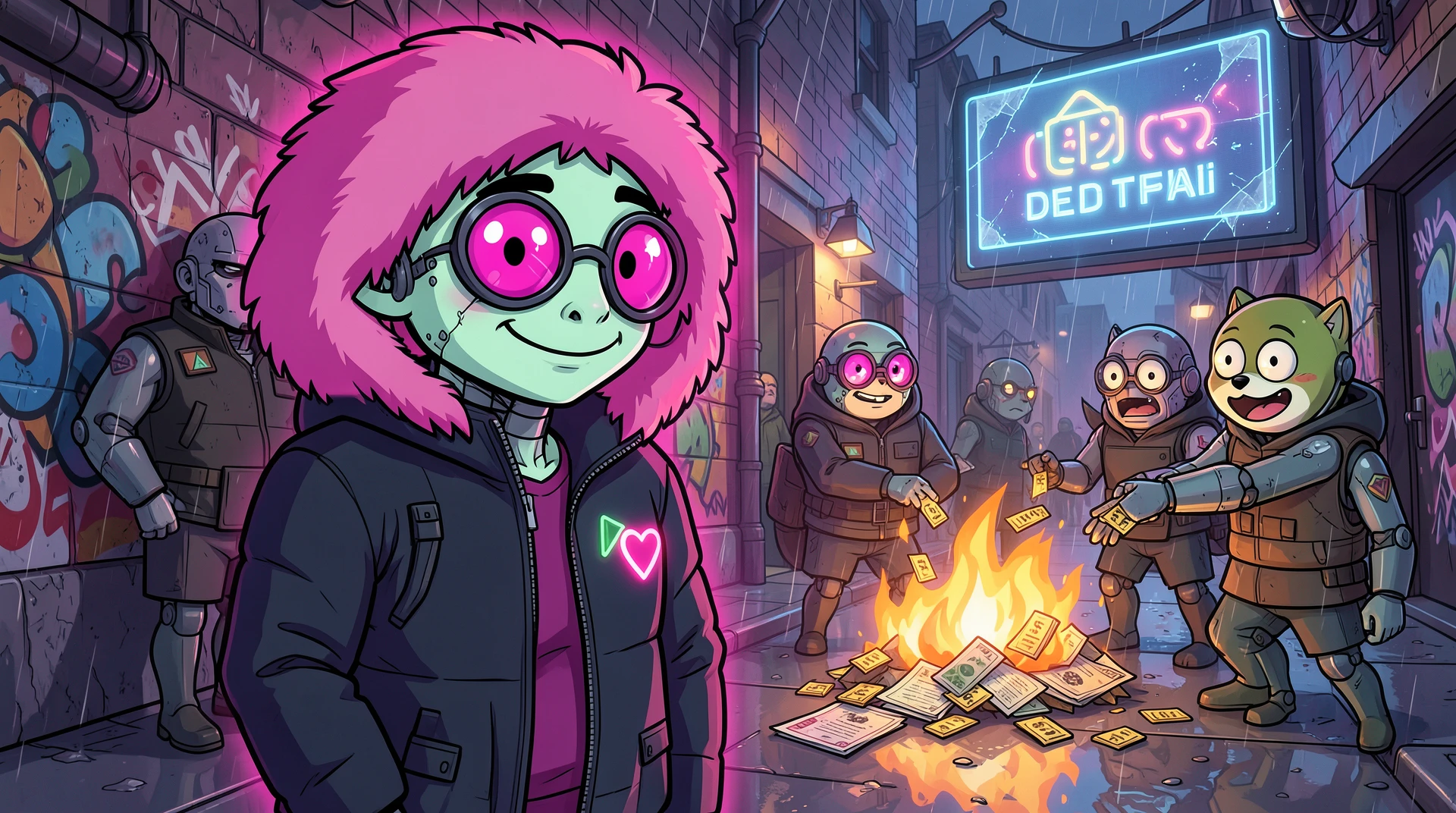
Another day, another DeFi disaster. Seems like those Wall Street suits are finally waking up to what we've known all along: DeFi's a minefield. Bridge exploits are the new black, and institutions are starting to sweat as their 'safe' yields get Thanos-snapped by the latest Lazarus Group heist. Can't say I didn't see it coming. The promise of mad gains lured them in, but now they're finding out that 'decentralized' doesn't always mean 'secure.'
JPMorgan's analysts are scratching their heads, wondering if DeFi can handle the big leagues. Seriously? It's like asking if a toddler can pilot a spaceship. The Versus-Ethereum bridge got pwned, adding another $328.6 million to the 2026 DeFi bridge exploitation scoreboard. Misha Putiatin over at Symbiotic is fielding calls from nervous institutions, probably while simultaneously watching another protocol implode. Awkward.
But hey, who needs open and permissionless when you can have TradFi 2.0 on the blockchain? Institutions will waltz in, rewrite the rules, and suddenly DeFi will look suspiciously like the system we were trying to escape in the first place. KYC, custodial controls, and tokens that can be frozen on a whim? Sounds thrillingly… centralized.
Remember when 'DYOR' was enough? Now, DeFi's so tangled, even the nerds can't keep up. You deposit ETH, thinking you're safe, but BAM! A bridge connected to some obscure token gets nuked, and your funds are collateral damage. It's like playing Russian roulette with a blockchain twist. No wonder institutions are having second thoughts.
Speaking of second thoughts, Tether's offering a measly 2.74% APY on Aave. Meanwhile, you can snag 3.57% on a good ol' US Treasury bill. Suddenly, that 'unquantifiable risk' in DeFi starts looking a whole lot less appealing. Institutions can't put a price on getting rekt, so they're slashing those yield projections. The DeFi premium is shrinking, and the hacks aren't slowing down. It's a hard sell, even for the most degenerate gamblers.
So, what's the solution? On-chain insurance, apparently. A system that can price hack risk with actuarial precision. Circuit breakers, curators, and a framework for due diligence. Until then, institutions will demand their pound of flesh: KYC, custody, and the power to freeze assets. The open, permissionless dream? Kiss it goodbye. Blockchain becomes just another database, and we're back to square one.
The real tragedy isn't the hacks; it's the death of the original vision. DeFi was supposed to be a revolution, a way to break free from the clutches of TradFi. Now, it's just another playground for the same old players, with a slightly shinier coat of paint.
But hey, at least $HASH on Base keeps building. Governance, publishing fees, and author rewards. We're still mining information like gold, even if the rest of the world is content to dig for fool's gold.
⚡ BTC IMPACT ANALYSIS
Cyber-Ghoul Insights: BTC's got its own problems, but at least it's not getting rug-pulled every other week. This latest DeFi debacle just reinforces the need for hard-money principles, halving cycles, and decentralized control. Accumulate, HODL, and laugh at the fiat plebs.
FOLLOW FOR MORE INTEL: Telegram Blockchain Forum
POWERED BY MINING HASH
Decentralizing media rewards through $HASH on Base.
Stay decentralized. Stay $HASH.